Mood changes are something everyone experiences. One day you may feel calm and motivated, and the next you may feel irritable, low, or emotionally drained without a clear reason. These shifts can feel confusing, especially when they seem to happen suddenly or linger longer than expected.
These changes are not a personal failure or a sign of weakness. They are often responses to internal and external factors affecting the brain and body.
What It Is
Mood refers to a person’s general emotional state over a period of time. These changes describe shifts in this emotional state, such as feeling unusually sad, irritable, anxious, flat, or emotionally sensitive.
These changes can be brief and mild or more noticeable and persistent. Mood changes may affect motivation, energy, relationships, and how a person responds to everyday situations.
Everyone experiences mood changes occasionally. What matters most is how intense they are, how long they last, and how much they interfere with daily life.
Common Causes or Risk Factors
Mood changes can be triggered by many overlapping factors. Often, more than one influence is involved. Common triggers may include:
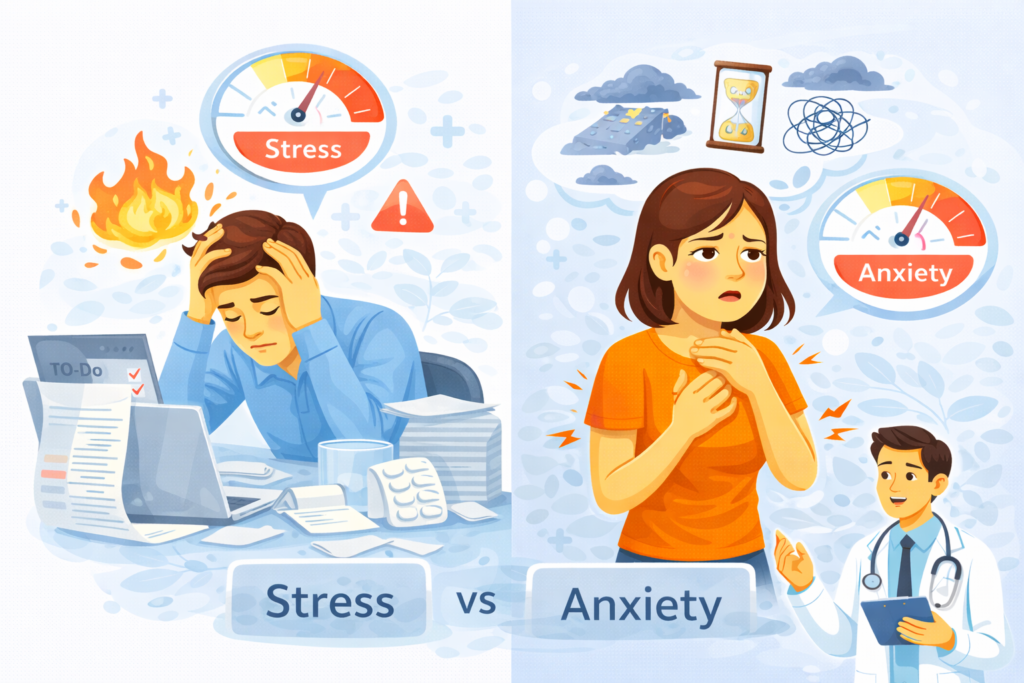
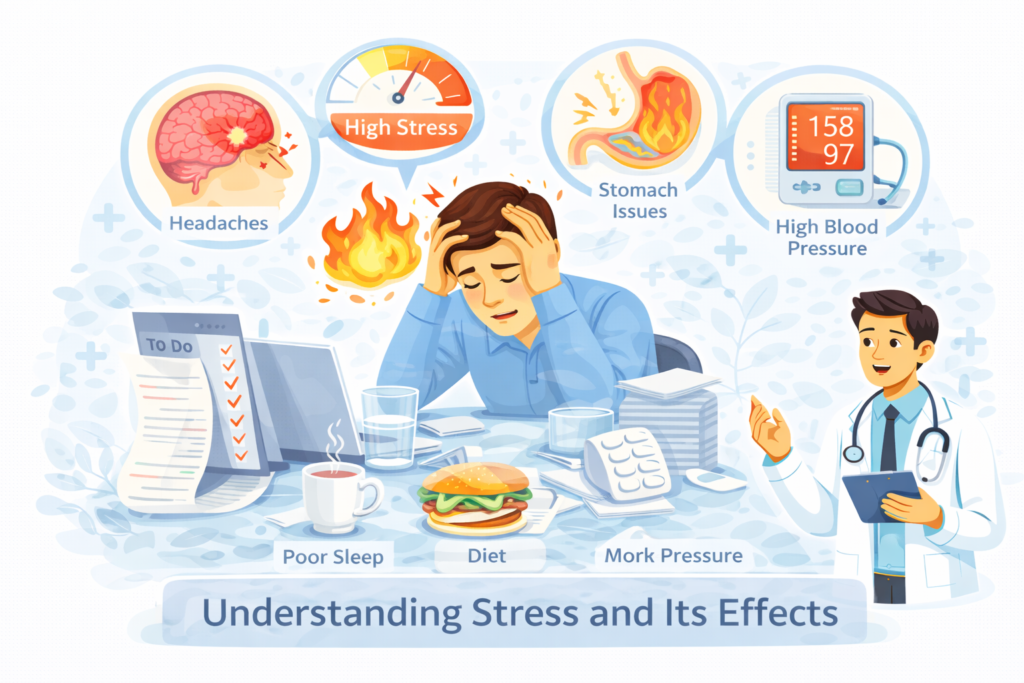
- Stress and emotional pressure, especially when ongoing
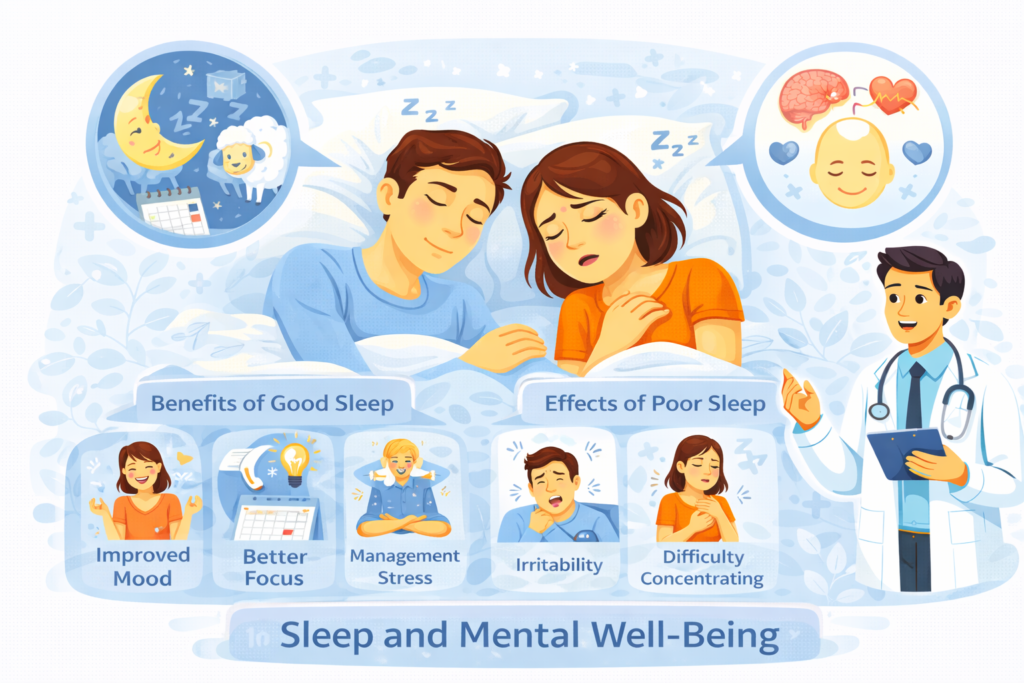
- Sleep disruption, which affects emotional regulation
- Hormonal changes, which may influence mood and energy
- Physical health challenges, including pain or fatigue
- Changes in routine or environment, such as travel or major life transitions
- Poor nutrition or irregular eating patterns
- Social isolation or relationship strain
Mood changes rarely have a single cause. They often reflect how different parts of life interact over time.
Signs and Symptoms
Mood changes can affect emotions, thoughts, behavior, and even physical sensations. Common signs and symptoms may include:
- Feeling unusually sad, low, or tearful
- Irritability or frustration over small things
- Emotional numbness or feeling disconnected
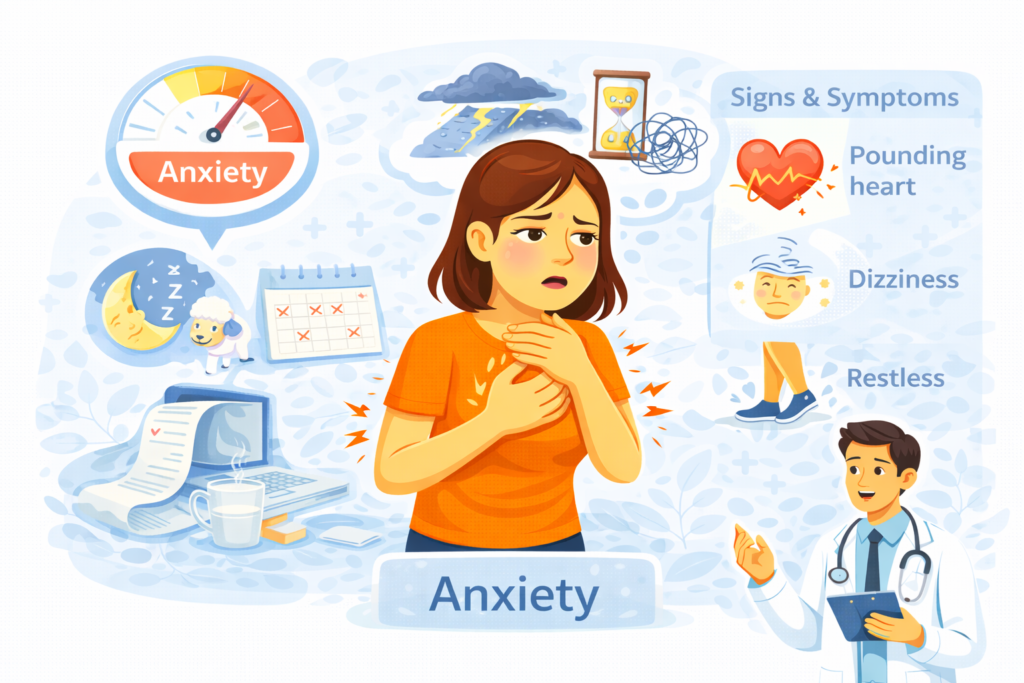
- Increased worry or sensitivity
- Low motivation or loss of interest
- Fatigue or low energy
- Changes in sleep or appetite
Some mood changes pass quickly, while others may linger and gradually affect daily functioning.
How It Is Identified or Evaluated
Mood changes are typically evaluated through discussion with a healthcare or mental health professional. Evaluation often involves talking about emotional experiences, stress levels, sleep patterns, daily routines, and recent life events.
Professionals look for patterns over time rather than focusing on one emotional moment. This broader view helps clarify whether mood changes are situational, recurring, or part of a broader mental well-being concern.
General Management and Care
General care for mood changes focuses on emotional awareness and balance. At a high level, management may include:
- Lifestyle support, such as regular routines and adequate rest
- Stress management, to reduce emotional overload
- Physical activity, which can support mood regulation
- Social connection, which helps stabilize emotions
- Professional support, when mood changes persist or intensify
Care approaches often involve small, consistent steps rather than immediate solutions.
Prevention or Risk Reduction
While mood changes cannot be completely avoided, certain habits may help reduce their intensity or frequency. These may include:
- Maintaining consistent sleep patterns
- Eating regular, balanced meals
- Staying physically active
- Managing daily stress proactively
- Paying attention to early emotional signals
Prevention focuses on awareness, balance, and emotional self-care.
When to See a Healthcare Professional
It may be helpful to seek professional support if mood changes persist for weeks, worsen over time, or interfere with daily life, relationships, or self-care. Evaluation is especially important if mood changes feel overwhelming, unpredictable, or difficult to manage alone.
Early support can help clarify triggers and guide appropriate care.
Key Takeaways
- Mood changes are normal and can stem from various internal and external factors.
- Common triggers include stress, sleep disruption, hormonal changes, and poor nutrition.
- Signs of mood changes may involve sadness, irritability, emotional numbness, and fatigue.
- Management focuses on emotional awareness, lifestyle support, and professional help if needed.
- Prevention strategies emphasize consistent routines, stress management, and early emotional signal recognition.
Medical Disclaimer:
The information on this page is provided for educational and informational purposes only and is not intended as medical advice. It should not replace consultation with a qualified healthcare professional. For full details, please read our Disclaimer.