Burnout is more than just feeling tired after a long week. It’s a state of deep physical, emotional, and mental exhaustion that builds over time, often when demands feel constant and recovery feels out of reach. Many people experience burnout without realizing what it is, assuming they simply need to “push harder” or rest for a day or two.
Burnout can affect motivation, mood, work performance, and even physical health.
What It Is
Burnout is a state of prolonged exhaustion caused by ongoing stress, especially when effort and demands consistently outweigh rest and support. It is commonly associated with work, caregiving, or long-term responsibilities, but it can occur in many areas of life.
Unlike short-term stress, burnout does not usually improve with a single break or weekend off. It often involves emotional detachment, reduced motivation, and a sense of feeling drained or ineffective.
Burnout can affect anyone, regardless of job title, personality, or level of commitment.
Common Causes or Risk Factors
Burnout typically develops gradually and is influenced by both external pressures and internal expectations. Common causes or risk factors may include:
- Chronic workload or long hours, without adequate recovery
- High responsibility with low control, feeling unable to influence outcomes
- Emotional demands, such as caregiving or constant problem-solving
- Lack of boundaries, between work and personal life
- Perfectionism or self-pressure, setting unrealistically high standards
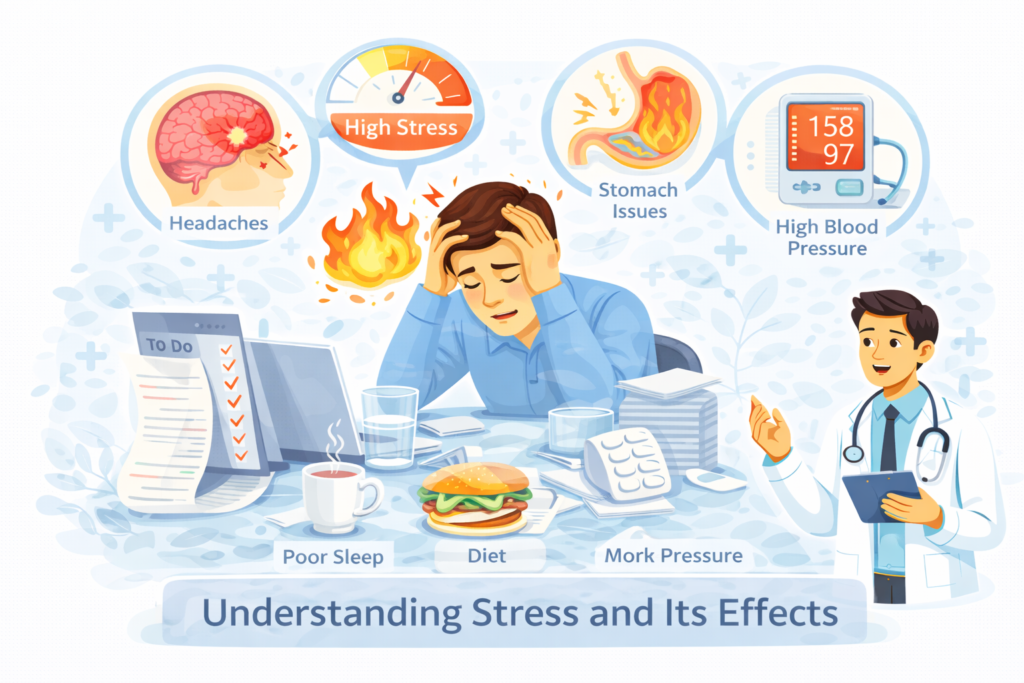
- Ongoing stress, without effective coping strategies
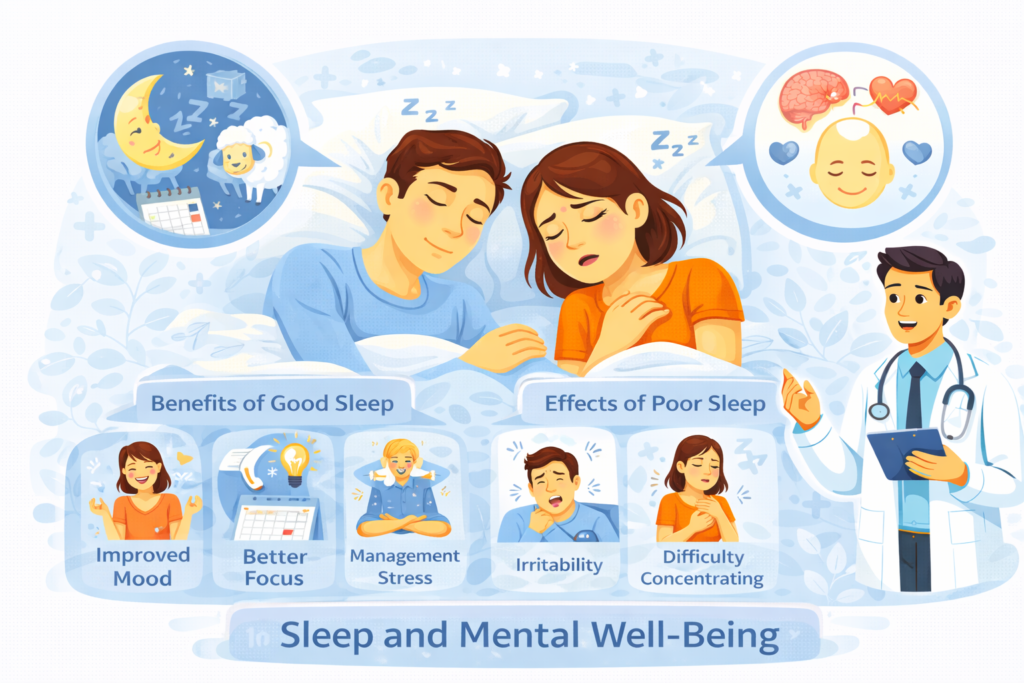
- Poor sleep, which limits emotional and physical recovery
Burnout rarely comes from one factor alone. It usually results from sustained imbalance over time.
Signs and Symptoms
Burnout can affect emotions, thinking, behavior, and the body. Symptoms may develop slowly and worsen if left unaddressed. Common signs and symptoms may include:
Emotional signs
- Feeling emotionally drained or numb
- Reduced motivation or sense of accomplishment
- Irritability or frustration
- Feeling detached or cynical
Mental signs
- Difficulty concentrating or making decisions
- Loss of interest in activities once enjoyed
- Feeling overwhelmed by small tasks
Physical signs
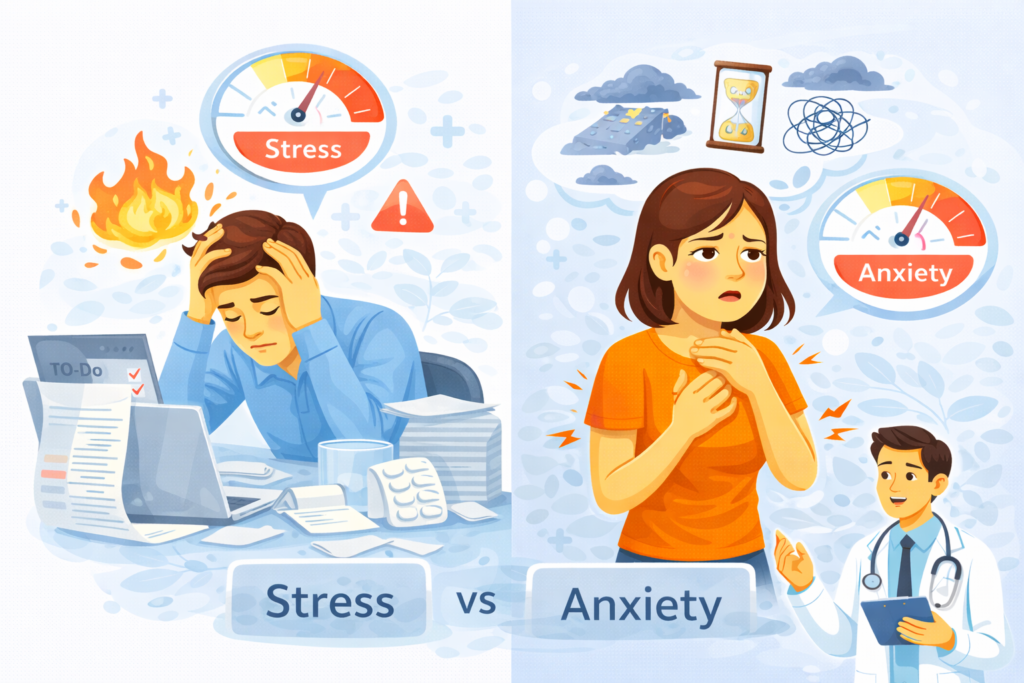
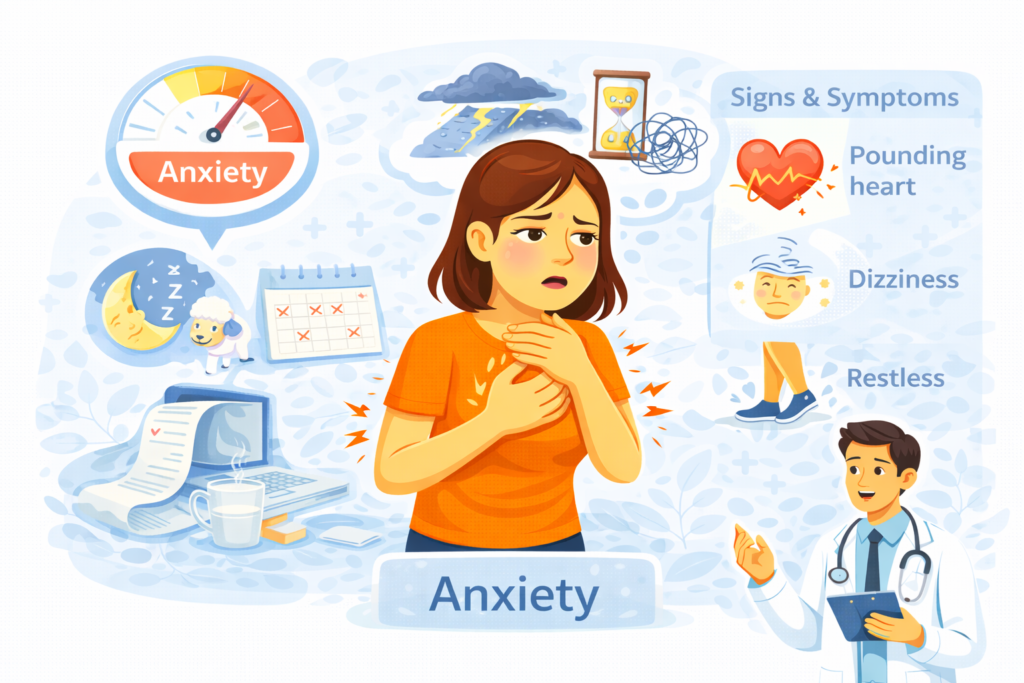
Burnout symptoms can overlap with stress, anxiety, or low mood, which is why recognition is important.
How It Is Identified or Evaluated
Burnout is usually identified through conversation with a healthcare or mental health professional. Evaluation often involves discussing stress levels, work or caregiving demands, emotional well-being, and how exhaustion affects daily life.
Professionals look at duration, intensity, and impact rather than a single bad week. This helps distinguish burnout from temporary stress.
General Management and Care
General care for burnout focuses on restoring balance, reducing overload, and rebuilding energy. At a high level, management may include:
- Lifestyle adjustments, such as reducing excessive demands
- Setting boundaries, to protect time for rest and recovery
- Stress-management strategies, to reduce ongoing strain
- Improving sleep quality, to support emotional and physical repair
- Social and professional support, especially during recovery
Burnout recovery often takes time and involves gradual, supportive changes rather than quick fixes.
Prevention or Risk Reduction
While burnout cannot always be prevented, certain habits may reduce risk or slow progression. These may include:
- Taking regular breaks and recovery time
- Setting realistic goals and expectations
- Maintaining work–life boundaries
- Staying connected with supportive people
- Paying attention to early signs of exhaustion
- Building routines that support well-being
Prevention focuses on sustainability rather than constant productivity.
When to See a Healthcare Professional
It may be helpful to seek professional support if exhaustion, detachment, or low motivation persist for weeks or begin to affect work, relationships, or health. Evaluation is especially important if burnout is accompanied by anxiety, low mood, or physical symptoms that do not improve.
Early support can help prevent deeper emotional or physical strain.
Key Takeaways
- Burnout is a state of deep exhaustion affecting physical and emotional health, often misidentified as simple tiredness.
- Common causes include chronic workload, emotional demands, lack of boundaries, and perfectionism, leading to prolonged stress.
- Signs of burnout can manifest as emotional numbness, irritability, cognitive difficulties, and persistent physical fatigue.
- Management focuses on lifestyle adjustments, boundary setting, and support from others, emphasizing gradual recovery.
- Preventive measures include regular breaks, realistic goal-setting, and awareness of early exhaustion signs.
Medical Disclaimer:
The information on this page is provided for educational and informational purposes only and is not intended as medical advice. It should not replace consultation with a qualified healthcare professional. For full details, please read our Disclaimer.