Anxiety is a feeling most people recognize at some point in life. It can show up as worry before an important event, unease about the future, or a sense that something isn’t quite right. In these moments, anxiety is a normal response to uncertainty or perceived threat.
For some people, however, anxiety can feel more persistent and harder to quiet. It may affect thoughts, emotions, physical comfort, and daily routines.
What It Is
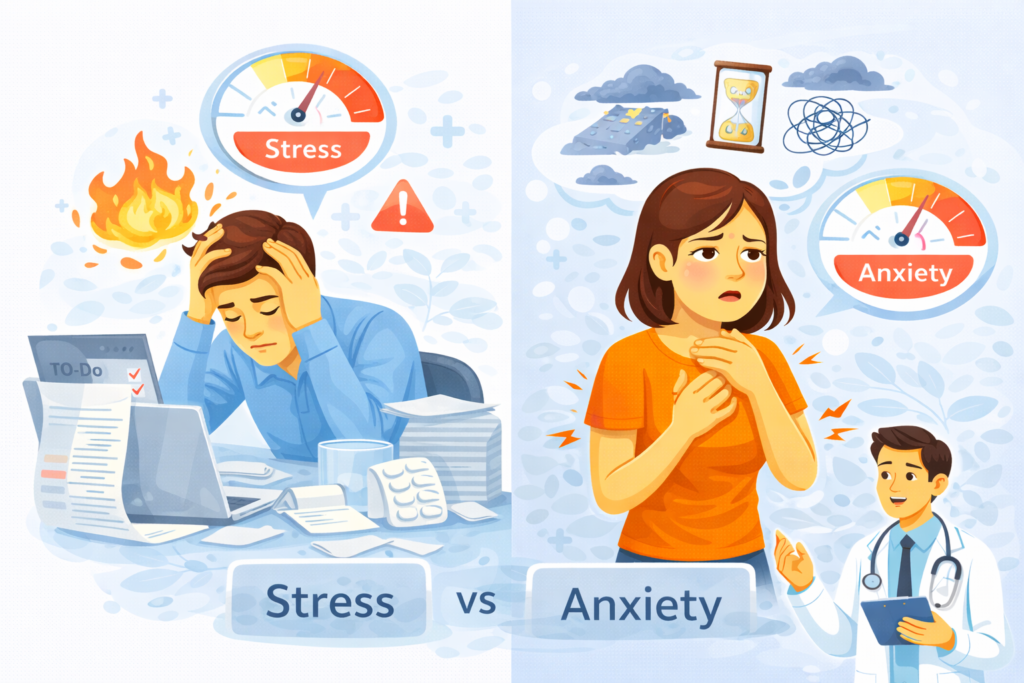
Anxiety is the body and mind’s response to perceived danger, stress, or uncertainty. It involves both mental processes, such as worry or fear, and physical reactions, including changes in breathing, heart rate, and muscle tension.
Anxiety is closely linked to the stress response. When the brain senses potential risk, it activates systems designed to keep the body alert and prepared. While this response can be helpful in short-term situations, ongoing anxiety may feel overwhelming or exhausting.
Anxiety affects people differently. Some experience it occasionally in response to specific situations, while others notice it more regularly or intensely.
Common Causes or Risk Factors
Anxiety can develop for many reasons, often involving a mix of emotional, physical, and environmental factors. Common causes or risk factors may include:
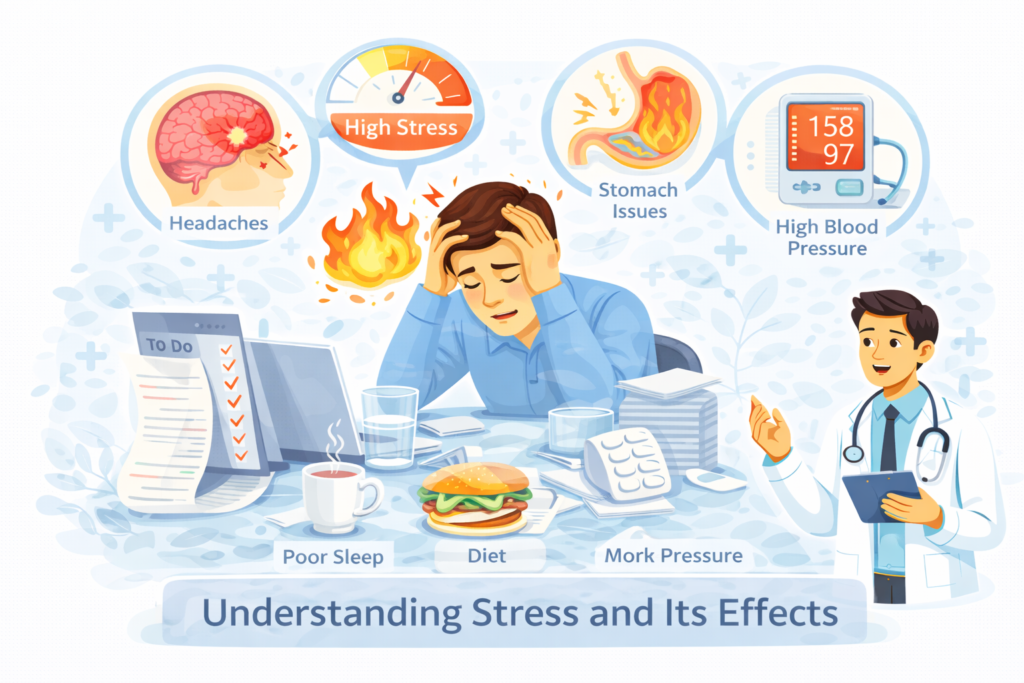
- Chronic stress, especially without adequate recovery
- Life transitions or uncertainty, such as career changes or relocation
- Past experiences, which may influence emotional responses
- Health-related concerns, personal or involving loved ones
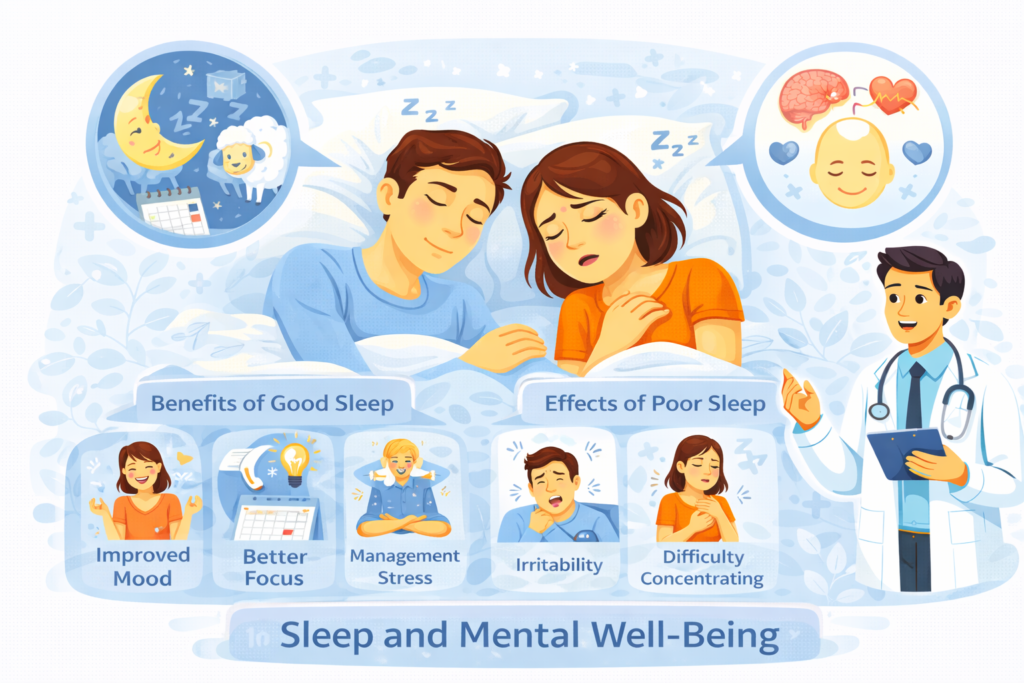
- Sleep disruption, which can heighten anxious thoughts
- Caffeine or stimulant use, which may increase physical sensations of anxiety
- Genetic or family influences, which may affect emotional sensitivity
Not everyone with these factors experiences anxiety in the same way, and anxiety can occur even when no clear trigger is present.
Signs and Symptoms
Anxiety can affect both the mind and body, and symptoms often vary between individuals. Common signs and symptoms may include:
Mental and emotional symptoms
- Excessive worry or racing thoughts
- Difficulty concentrating
- Feeling tense, restless, or on edge
- Fear that feels out of proportion to the situation
Physical symptoms
- Rapid heartbeat or chest tightness
- Shortness of breath
- Muscle tension or aches
- Sweating or trembling
- Fatigue or low energy after anxious periods
Symptoms may come and go or feel more constant, depending on the individual and circumstances.
How It Is Identified or Evaluated
Anxiety is usually identified through conversation with a healthcare or mental health professional. Evaluation often involves discussing emotional experiences, thought patterns, sleep, stress levels, and how anxiety affects daily life.
Professionals focus on understanding patterns over time rather than isolated moments of worry. This broader view helps determine whether anxiety is situational or more persistent.
General Management and Care
General care for anxiety focuses on reducing distress and supporting emotional balance. At a high level, management may include:
- Lifestyle support, such as improving sleep and daily routines
- Stress-management strategies, including relaxation and coping skills
- Physical activity, which can help regulate nervous system responses
- Emotional support, from trusted relationships or professional care
- Awareness practices, helping individuals recognize anxious thought patterns
Care approaches are personalized and may change depending on life circumstances and needs.
Prevention or Risk Reduction
Anxiety cannot always be prevented, but certain habits may help reduce its intensity or frequency. These may include:
- Maintaining consistent sleep patterns
- Limiting excessive caffeine or stimulants
- Staying physically active
- Practicing stress-relief techniques
- Paying attention to early signs of emotional overload
Risk reduction focuses on building resilience and emotional awareness over time.
When to See a Healthcare Professional
It may be helpful to seek professional support if anxiety feels constant, overwhelming, or begins to interfere with daily activities, sleep, relationships, or decision-making. Evaluation is especially important if anxious thoughts or physical symptoms persist even during calm periods.
Early support can help individuals better understand anxiety and explore appropriate care options.
Key Takeaways
- Anxiety is a normal response to uncertainty, but it can become persistent and affect daily life.
- Common causes of anxiety include chronic stress, life transitions, and sleep disruption.
- Symptoms of anxiety vary and can include excessive worry, difficulty concentrating, rapid heartbeat, and muscle tension.
- Management of anxiety focuses on lifestyle support, stress-management strategies, and emotional care.
- Seek professional help if anxiety interferes with daily activities or persists during calm periods.
Medical Disclaimer:
The information on this page is provided for educational and informational purposes only and is not intended as medical advice. It should not replace consultation with a qualified healthcare professional. For full details, please read our Disclaimer.