Headaches are one of the most common health complaints people experience. Nearly everyone has had a headache at some point, whether it’s a dull ache after a long day, a tight feeling around the head, or a more intense pain that disrupts daily activities.
Although headaches are usually temporary, they can still affect focus, mood, and overall comfort. This symptom is one of many body warning signs. You can also read our guide on Common Body Symptoms and What They Might Mean
What It Is
A headache refers to pain or discomfort in the head, scalp, or upper neck area. Headaches can feel different depending on the cause, some are sharp or throbbing, while others feel like pressure or tightness.
Headaches may affect people of all ages. They can occur occasionally or more frequently and may be influenced by physical, emotional, or environmental factors.
Common Causes or Risk Factors
Headaches can develop for many reasons, and more than one factor may be involved at the same time. Common causes or risk factors may include:
- Tension and stress, which can cause muscle tightness
- Lack of sleep or poor sleep quality
- Dehydration
- Eye strain, often linked to prolonged screen use
- Hormonal changes, which may affect some individuals
- Certain foods or skipped meals
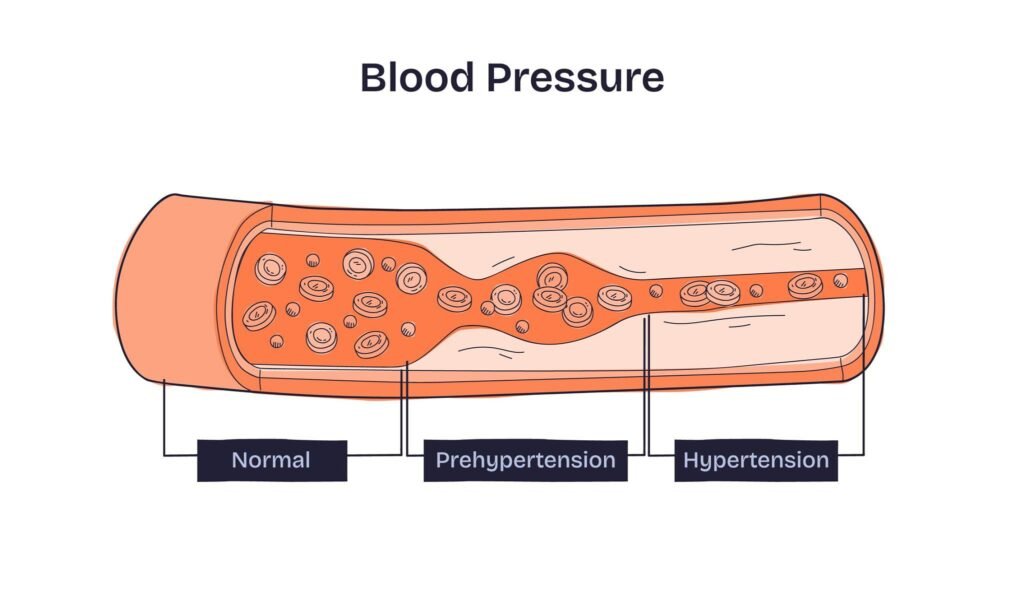
- Underlying health conditions, such as sinus issues or high blood pressure
Not everyone reacts to the same triggers, and headaches may occur even when no clear cause is identified.
Signs and Symptoms
Headache symptoms can vary depending on the type and individual sensitivity. Common symptoms may include:
- Dull, aching pain across the head
- Pressure or tightness around the forehead or temples
- Throbbing or pulsing pain
- Sensitivity to light or sound
- Neck or shoulder discomfort
- Difficulty concentrating
Some headaches may last a short time, while others can persist for hours or longer. The intensity and frequency can differ widely between individuals.
How It Is Identified or Evaluated
Headaches are usually evaluated by a healthcare professional through discussion rather than a single finding. This may include talking about how often headaches occur, how they feel, and whether they are associated with other symptoms.
Healthcare professionals may look for patterns, lifestyle factors, or health conditions that could be contributing. Evaluation helps guide decisions about care and next steps when headaches are frequent or disruptive.
General Management and Care
General care for headaches focuses on reducing triggers and supporting overall well-being. At a high level, this may involve:
- Lifestyle adjustments, such as improving sleep and hydration
- Stress management strategies
- Balanced daily routines, including regular meals
- Medical care, when headaches are frequent or severe
Because headaches vary so much, approaches to care differ from person to person.
Prevention or Risk Reduction
While headaches cannot always be prevented, certain habits may help reduce how often they occur or how intense they feel. These may include:
- Staying hydrated throughout the day
- Maintaining regular sleep patterns
- Managing stress levels
- Taking breaks from screens and repetitive tasks
- Paying attention to personal headache triggers
Prevention focuses on awareness and consistency rather than complete avoidance.
When to See a Healthcare Professional
It may be helpful to seek professional advice if headaches are frequent, severe, worsening, or interfering with daily life. Evaluation is also important if headaches occur alongside symptoms such as dizziness, vision changes, or persistent fatigue.
Early assessment can support clarity and appropriate care.
Key Takeaways
- Headaches are common and can disrupt daily activities; they vary in type and intensity.
- Common causes of headaches include tension, lack of sleep, dehydration, eye strain, and certain foods.
- Identifying headaches involves discussing symptoms and triggers with a healthcare professional for accurate evaluation.
- Management includes lifestyle adjustments like stress management, hydration, and seeking medical care when necessary.
- Prevention focuses on staying aware of triggers, maintaining regular routines, and seeking help if headaches disrupt life.
Medical Disclaimer:
The information on this page is provided for educational and informational purposes only and is not intended as medical advice. It should not replace consultation with a qualified healthcare professional. For full details, please read our Disclaimer.