Inflammation is one of the body’s natural defense responses. It’s part of how the immune system reacts to injury, infection, or irritation. In many cases, inflammation is helpful and temporary, working quietly in the background to protect and heal the body.
However, when inflammation lasts longer than expected or becomes ongoing, it can begin to affect comfort, energy, and overall health.
What It Is
Inflammation is the body’s biological response to something it perceives as harmful. This could be an injury, infection, or irritation. When inflammation occurs, the immune system sends signals and protective cells to the affected area to help repair damage or fight off threats.
Short-term inflammation, often called acute inflammation, is a normal and necessary part of healing. Long-term inflammation, sometimes referred to as chronic inflammation, may persist even when there is no clear injury or infection.
Inflammation can occur in many parts of the body and may affect people differently depending on the cause and duration.
Common Causes or Risk Factors
This body’s natural defense responses can be triggered by a wide range of factors. Common causes or risk factors may include:
- Infections, which activate the immune system
- Injuries, such as cuts, strains, or trauma
- Autoimmune responses, where the immune system reacts to the body’s own tissues
- Chronic stress, which can influence immune function
- Poor sleep or ongoing fatigue
- Unhealthy lifestyle patterns, including poor diet and inactivity
- Long-term health conditions, such as arthritis or heart disease
Inflammation often results from a combination of these factors rather than a single cause.
Signs and Symptoms
Symptoms vary depending on where it occurs and whether it is short-term or ongoing. Common signs and symptoms may include:
- Redness or warmth in affected areas
- Swelling
- Pain or tenderness
- Stiffness or reduced mobility
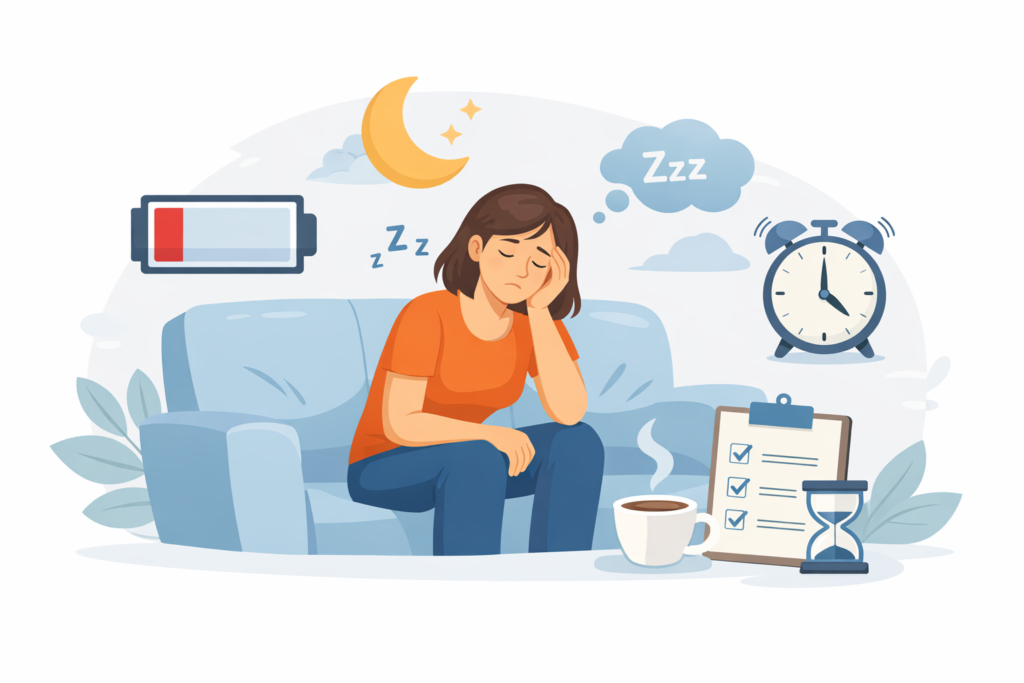
- Fatigue or low energy
- General feelings of discomfort or unwellness
Chronic inflammation may cause more subtle symptoms that develop gradually and persist over time.
How It Is Identified or Evaluated
Inflammation is typically evaluated by a healthcare professional through symptom discussion and overall health assessment. Clinicians may consider medical history, lifestyle factors, and the presence of other symptoms or conditions.
Evaluation often focuses on identifying patterns and potential sources of inflammation rather than treating inflammation as a standalone issue.
General Management and Care
General care for inflammation focuses on reducing triggers and supporting the body’s natural balance. At a high level, management may include:
- Medical care, guided by healthcare professionals
- Lifestyle support, such as balanced nutrition and regular movement
- Stress management, which can influence inflammatory responses
- Adequate rest and recovery, to support immune function
- Monitoring symptoms, especially when inflammation is ongoing
Care approaches vary depending on the underlying cause and individual health needs.
Prevention or Risk Reduction
While inflammation cannot always be avoided, certain habits may help reduce the risk of long-term inflammation. These may include:
- Maintaining a balanced, nutrient-rich diet
- Staying physically active
- Getting enough sleep
- Managing stress effectively
- Attending routine health checkups
Risk reduction focuses on supporting overall health rather than eliminating inflammation entirely.
When to See a Healthcare Professional
It may be helpful to seek medical advice if symptoms persist, worsen, or interfere with daily activities. Evaluation is especially important if it is accompanied by ongoing pain, swelling, fatigue, or unexplained changes in health.
Professional guidance can help identify underlying causes and support appropriate care.
Key Takeaways
- Inflammation is the body’s natural response to perceived harm, playing a key role in healing.
- Short-term inflammation is normal, but chronic inflammation can affect overall health and comfort.
- Common causes of inflammation include infections, injuries, autoimmune responses, and lifestyle factors.
- Signs of inflammation may include redness, swelling, pain, fatigue, and discomfort.
- Managing inflammation involves medical care, lifestyle changes, and preventative measures to support overall health.
Medical Disclaimer:
The information on this page is provided for educational and informational purposes only and is not intended as medical advice. It should not replace consultation with a qualified healthcare professional. For full details, please read our Disclaimer.