Shortness of breath can be a frightening experience, especially when it happens suddenly or during simple activities like walking, climbing stairs, or even talking. It may feel like it’s hard to get enough air, like breathing requires extra effort, or like the chest feels tight or uncomfortable.
Because breathing is such a basic and automatic function, any change in it can quickly draw attention and cause concern. Shortness of breath is common and can happen for many reasons, some temporary, others linked to ongoing health conditions.
This symptom is one of many body warning signs. You can also read our guide on Common Body Symptoms and What They Might Mean
What It Is
Shortness of breath, also known as breathlessness, refers to the sensation of having difficulty breathing or feeling unable to take a full, comfortable breath. It is a symptom rather than a condition on its own.
Some people experience shortness of breath during physical exertion, while others notice it at rest or during emotional stress. The feeling can range from mild discomfort to a strong sense of air hunger. How it feels and how often it occurs can vary greatly between individuals.
Common Causes or Risk Factors
Shortness of breath can develop for many reasons, often involving the lungs, heart, blood, or overall physical condition. Common causes or risk factors may include:
- Physical exertion, especially in people who are not used to regular activity
- Respiratory conditions, such as asthma or respiratory infections
- Anxiety or stress, which can alter breathing patterns
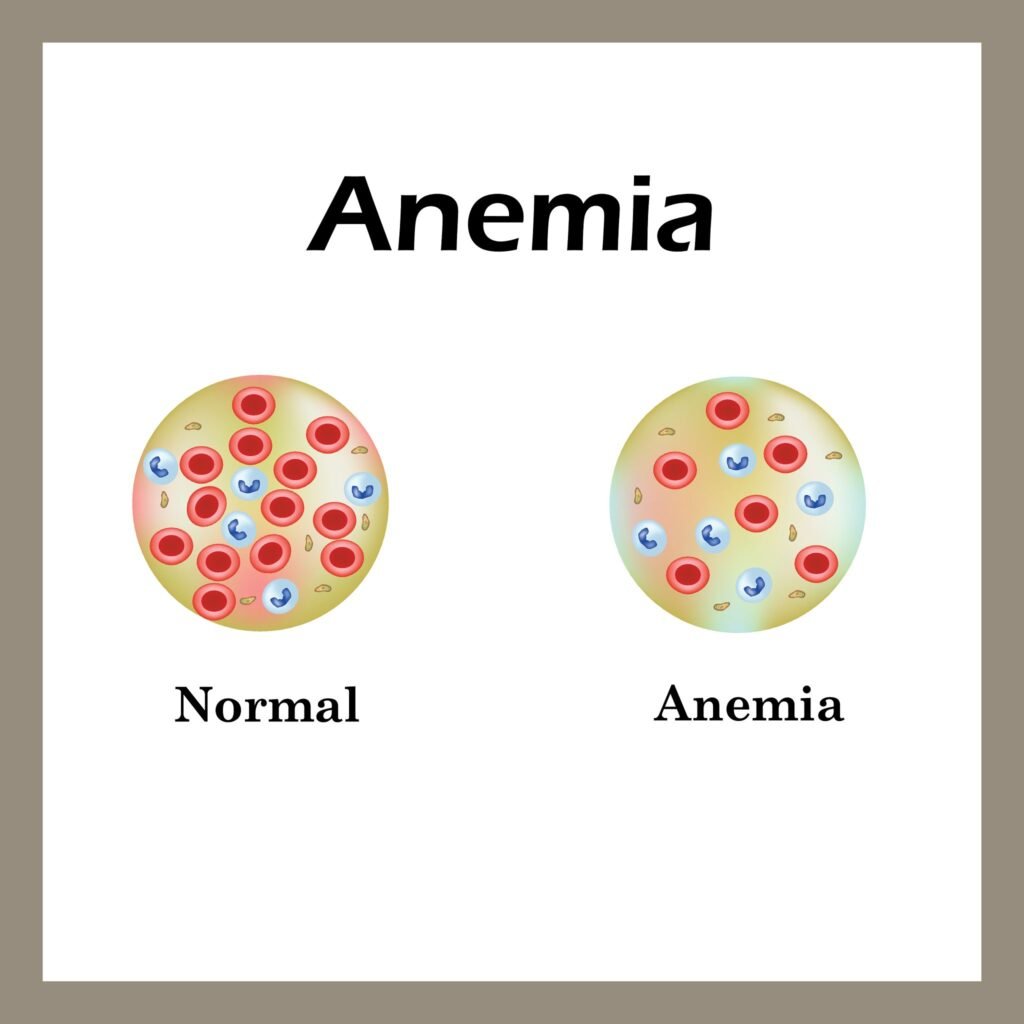
- Low blood oxygen delivery, which may be linked to anemia
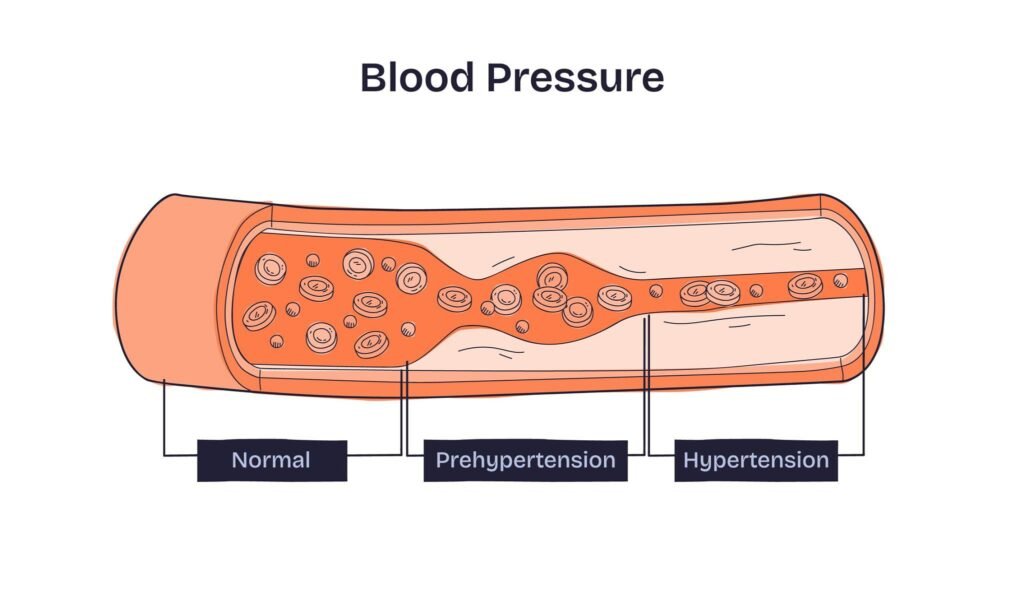
- Heart-related conditions, which may affect circulation
- Excess body weight, which can increase breathing effort
- Poor physical conditioning
In many cases, shortness of breath results from a combination of factors rather than a single cause.
Signs and Symptoms
Shortness of breath may occur on its own or alongside other symptoms. Common signs and symptoms may include:
- Feeling unable to take a deep breath
- Rapid or shallow breathing
- Chest tightness or discomfort
- Fatigue during physical activity
- Lightheadedness
- Anxiety or restlessness
Symptoms can appear suddenly or gradually and may worsen with activity or stress.
How It Is Identified or Evaluated
Shortness of breath is typically evaluated by a healthcare professional through careful discussion and physical assessment. This often includes talking about when symptoms occur, what triggers them, and how long they last.
Healthcare professionals may consider medical history, activity level, and associated symptoms to better understand potential causes. Evaluation focuses on identifying patterns and ruling out serious underlying conditions.
General Management and Care
General care for shortness of breath focuses on improving breathing comfort and addressing contributing factors. At a high level, management may include:
- Medical care, guided by healthcare professionals
- Lifestyle adjustments, such as pacing activities and improving fitness
- Breathing awareness, especially during stress or exertion
- Managing underlying conditions, such as asthma or anemia
- Stress reduction, which can help regulate breathing
Care approaches depend on the cause and individual health context.
Prevention or Risk Reduction
While shortness of breath cannot always be prevented, certain habits may help reduce its frequency or severity. These may include:
- Staying physically active within comfort limits
- Maintaining a healthy body weight
- Avoiding smoking and environmental irritants
- Managing stress and anxiety
- Attending routine health checkups
Prevention focuses on long-term respiratory and cardiovascular health.
When to See a Healthcare Professional
It is important to seek medical advice if shortness of breath is sudden, severe, worsening, or occurs at rest. Evaluation is also necessary if breathlessness interferes with daily activities, sleep, or physical movement, or if it occurs alongside chest pain, dizziness, or ongoing fatigue.
Early professional assessment helps clarify causes and support appropriate care.
Key Takeaways
- Shortness of breath, or breathlessness, indicates difficulty in breathing and can range from mild discomfort to severe air hunger.
- Common causes include physical exertion, respiratory conditions, anxiety, low blood oxygen, heart issues, excess weight, and poor conditioning.
- Symptoms may involve rapid breathing, chest tightness, fatigue, lightheadedness, and anxiety, appearing suddenly or gradually.
- Healthcare professionals evaluate shortness of breath through discussion and physical assessment to identify patterns and rule out serious conditions.
- To manage shortness of breath, focus on medical care, lifestyle adjustments, breathing awareness, and stress reduction while maintaining routine health checkups.
Medical Disclaimer:
The information on this page is provided for educational and informational purposes only and is not intended as medical advice. It should not replace consultation with a qualified healthcare professional. For full details, please read our Disclaimer.