The thyroid may be small, but it plays a powerful role in how the body functions every day. This butterfly-shaped gland, located at the front of the neck, helps regulate how the body uses energy. When the thyroid is not working as expected, it can affect many systems at once, energy levels, weight, mood, heart rate, and even body temperature.
Thyroid disorders are more common than many people realize, and symptoms can be subtle at first.
What It Is
Thyroid disorders refer to conditions that affect how the thyroid gland functions. The thyroid produces hormones that help control metabolism, which is the process the body uses to convert food into energy.
When the thyroid produces too much or too little hormone, the body’s balance can shift. These changes may affect how fast or slow certain body processes occur. Thyroid disorders can affect people of all ages and may develop gradually over time.
Some thyroid conditions are temporary, while others may require long-term management. The experience can vary widely between individuals.
Common Causes or Risk Factors
Thyroid disorders can develop for many reasons, often involving a combination of genetic, immune, and environmental factors. Common causes or risk factors may include:
- Autoimmune responses, where the immune system affects the thyroid
- Family history of thyroid conditions
- Hormonal changes, such as those related to pregnancy or aging
- Iodine imbalance, which may affect thyroid hormone production
- Certain medications, which can influence thyroid function
- Other health conditions, including autoimmune disorders
Not everyone with these risk factors will develop a thyroid disorder, and symptoms may appear differently from person to person.
Signs and Symptoms
Symptoms of thyroid disorders can vary depending on whether thyroid activity is higher or lower than usual. Common symptoms may include:
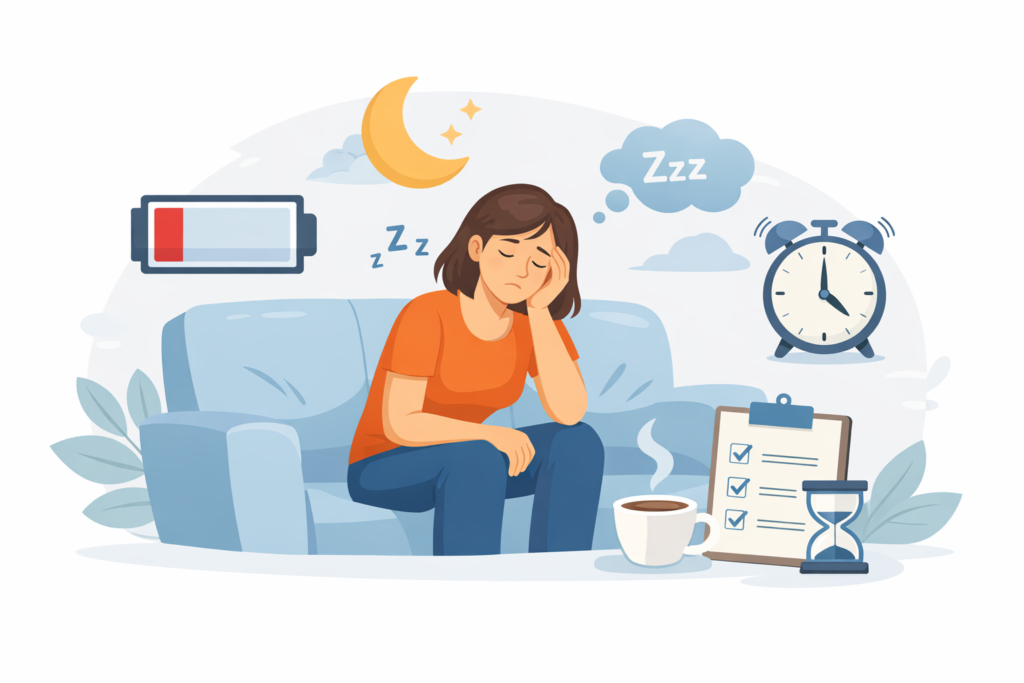
- Changes in energy levels, such as persistent fatigue or restlessness
- Unexplained weight changes
- Sensitivity to cold or heat
- Changes in heart rate or palpitations
- Mood changes, including anxiety or low mood
- Changes in hair, skin, or nails
- Difficulty concentrating
Symptoms often develop gradually and may be mistaken for stress, aging, or other health concerns.
How It Is Identified or Evaluated
Thyroid disorders are usually evaluated by a healthcare professional through a review of symptoms, medical history, and overall health. Clinicians may ask about energy levels, weight changes, family history, and any noticeable physical changes.
Evaluation focuses on identifying patterns and understanding how symptoms relate to thyroid function. This helps guide further care and monitoring when needed.
General Management and Care
General care for thyroid disorders focuses on supporting hormone balance and managing symptoms. At a high level, care may include:
- Ongoing medical care, guided by healthcare professionals
- Monitoring symptoms over time, to notice changes early
- Lifestyle support, including balanced nutrition and stress management
- Routine follow-up, especially for long-term thyroid conditions
Because thyroid disorders affect people differently, care approaches are personalized and may evolve over time.
Prevention or Risk Reduction
Not all thyroid disorders can be prevented, but certain habits may support thyroid health and reduce complications. These may include:
- Attending routine health checkups
- Paying attention to persistent changes in energy or weight
- Supporting overall immune health through balanced lifestyle habits
- Managing stress, which may influence hormone balance
Risk reduction focuses on awareness and early attention rather than guarantees.
When to See a Healthcare Professional
It may be helpful to seek medical advice if symptoms such as unexplained fatigue, weight changes, mood shifts, or heart rate changes persist. Evaluation is especially important if symptoms interfere with daily activities or continue over time.
Early assessment can help clarify causes and support appropriate care.
Key Takeaways
- Thyroid disorders affect how the thyroid gland functions, impacting metabolism and energy use.
- Common causes include autoimmune responses, hormonal changes, and family history of thyroid conditions.
- Symptoms vary widely but may include fatigue, weight changes, and mood shifts.
- Healthcare professionals evaluate thyroid disorders through symptom review and medical history.
- Management focuses on hormone balance, ongoing care, and monitoring symptoms over time.
Medical Disclaimer:
The information on this page is provided for educational and informational purposes only and is not intended as medical advice. It should not replace consultation with a qualified healthcare professional. For full details, please read our Disclaimer.