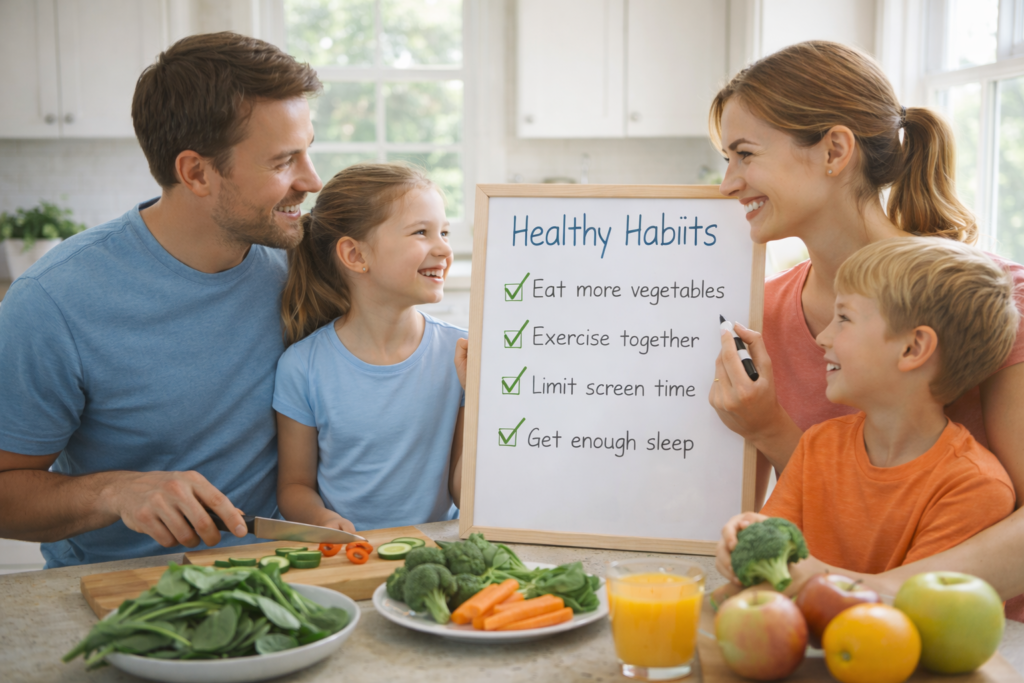
Teaching kids healthy hygiene habits works best when it starts early. Handwashing can become a lifelong healthy habit if you start teaching it in childhood. Young children learn largely by imitating the adults around them. That makes your own habits just as important as anything you explicitly teach.
This article covers exactly how to build hygiene habits that genuinely stick, from handwashing to broader daily routines.
Consistent routines matter for more than hygiene alone. Our guide on Breaking the Cycle of Negative Self-Talk covers a different kind of habit worth modelling for the children in your life.
Why Teaching Kids Healthy Hygiene Habits Matters
Handwashing with soap and water is one of the simplest, most effective ways to stop the spread of germs. Teaching this habit to people, especially children, helps them and their communities stay genuinely healthier.
The numbers back this up clearly. Good handwashing habits reduce diarrheal illness by roughly 23 to 40%, and cut respiratory illnesses, like colds, by around 16 to 21% in the general population. These aren’t small effects for such a simple habit.
Read more on Supporting Elderly Parents While Caring for Yourself
Teaching Kids Healthy Hygiene Habits: When to Wash
Knowing when to wash hands matters just as much as knowing how. Build these specific moments into your child’s daily routine.
- before eating, including snacks
- after using the bathroom
- after playing outside
- after touching pets or animals
- after coughing, sneezing, or blowing their nose
All day long, children touch playmates, share toys, and encounter bacteria and viruses without realising it. Rubbing their eyes or touching their mouth afterward can turn that exposure into an infection within seconds.
Teaching the Actual Technique
Kids and parents both need to wash hands for at least 20 seconds for real effectiveness against germs. For children, 20 seconds can feel like an eternity, so making it engaging genuinely helps.
- Sing while washing: a song lasting at least 20 seconds gives kids a natural, fun way to time themselves properly.
- Use soap and water as the default: regular soap and water work better than hand sanitiser when hands are visibly dirty, which with children is often.
- Watch and guide: supervise your child while washing to make sure they’re developing genuinely good technique, not just rinsing quickly.
- Explain the “why” simply: young children respond well to practical explanations. Try an activity with glitter to represent germs, then wash it off together to show how soap genuinely works.
Keep Hand Sanitiser Away From Young Children
Parents and caregivers should keep hand sanitiser away from children, especially those younger than five. It isn’t a replacement for proper handwashing, and it carries its own specific risks for very young kids if swallowed or if it reaches their eyes.
Building Hygiene Into the Bigger Daily Routine
Hygiene habits work best as part of a broader, consistent daily rhythm, not as an isolated rule. A child who already follows a steady routine tends to pick up new habits, like proper handwashing, more easily.
Our guide on Helping Children Build Healthy Sleep Habits covers another foundational routine that supports this same kind of consistency.
Modelling the Behaviour Yourself
Young children learn by imitating the behaviours of the adults in their lives. When you make handwashing and hygiene part of your own routine, you’re setting an example your child will genuinely follow, often without you needing to say a word.
Building new habits takes time and real commitment, from both you and your child. Once established, though, these habits tend to carry forward through their whole life.
The HealthyChildren.org guide to handwashing, from the American Academy of Pediatrics, covers further tips in detail.
Key Takeaways
- Teaching kids healthy hygiene habits works best when started early, since children largely learn by imitating the adults around them.
- Proper handwashing reduces diarrheal illness by 23 to 40% and respiratory illness by 16 to 21%.
- Washing for at least 20 seconds, timed with a song, genuinely helps kids build correct technique.
- Soap and water work better than hand sanitiser for visibly dirty hands, and sanitiser should stay away from children under five.
- Modelling consistent hygiene habits yourself is often more effective than instruction alone.
Final Thoughts
Teaching kids healthy hygiene habits doesn’t require elaborate systems or constant reminders. It requires consistency, a little patience, and your own example. Children absorb far more from watching than from being told, which makes your own habits part of the lesson too.
Start with one consistent moment this week, like handwashing before dinner every night. Build the habit together, make it a little fun, and let repetition do the rest. These small, repeated routines genuinely shape lifelong health.
Good habits, taught early, tend to stay for life.
Medical Disclaimer: The information on this page is provided for educational and informational purposes only and is not intended as medical advice. It should not replace consultation with a qualified healthcare professional. For full details, please read our Disclaimer.