Mindfulness for beginners doesn’t need to feel complicated or mysterious. It can be easy to rush through life without stopping to notice much. The NHS describes mindfulness simply. It means paying more attention to the present moment. That includes your own thoughts and feelings, and the world around you.
This article covers exactly what mindfulness means, why it genuinely helps, and simple ways to start today, even with zero experience.
Bringing a mindful approach into everyday routines can extend to family life too. Our guide on Family Meal Planning Made Easy covers one practical place to start.
Mindfulness for Beginners: What It Actually Means
Mindfulness involves paying attention to what’s going on inside and outside yourself, moment by moment. It’s easy to stop noticing the world around you. Most people spend a lot of time on autopilot, without realising it.
Gradually, you can train yourself to notice when your thoughts are taking over. Thoughts are simply mental events. They don’t have to control you. This shift in awareness is the entire foundation of mindfulness practice.
Why Mindfulness for Beginners Is Worth Trying
Mindfulness can help you enjoy life more and understand yourself better. This isn’t just a feeling. NICE, the National Institute for Health and Care Excellence, recommends mindfulness-based therapies as a treatment for less severe depression.
NICE also recommends that employers make mindfulness available to all employees, to support mental wellbeing at work. That’s a meaningful endorsement. It reflects real evidence, not just wellness trends.
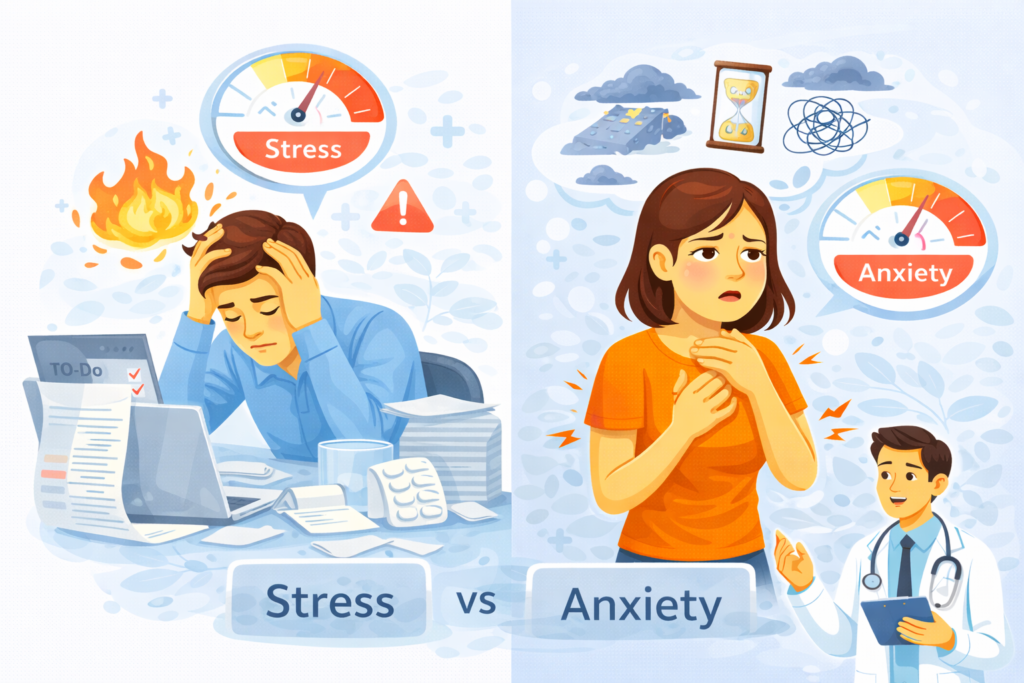
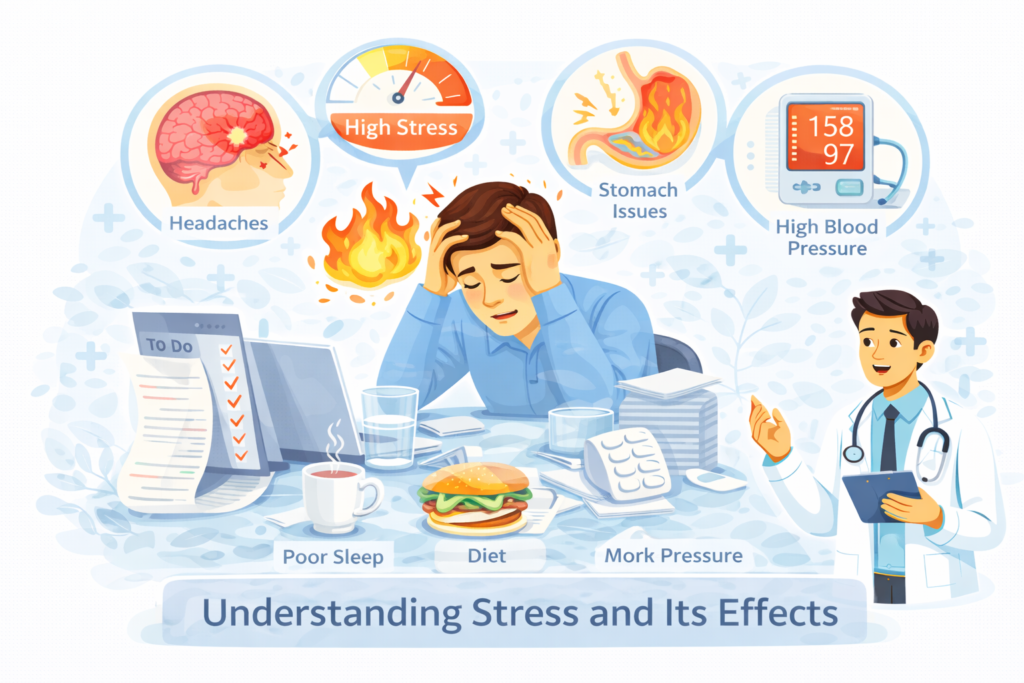
Mindfulness also helps in more immediate, practical ways. If you’re feeling stressed or anxious, focusing on the present can put things in perspective. It makes problems easier to deal with.
Simple Mindfulness Exercises for Beginners
You don’t need a special app, a quiet retreat, or years of practice to start. A few simple techniques work well right away.
- Notice five things you can see: pause wherever you are, and name five things around you. This anchors your attention in the present moment quickly.
- Try the 5-4-3-2-1 technique: notice five things you can see, four you can touch, three you can hear, two you can smell, and one you can taste.
- Eat one thing mindfully: pay attention to the taste, temperature, and texture of your tea, coffee, or a meal. This turns an everyday moment into a mindfulness practice.
- Name your thoughts and feelings: silently label what’s happening. Try, “Here’s the thought that I might fail this.” Or simply, “This is anxiety.” Naming it creates useful distance.
- Focus on your breathing during activity: while walking or exercising, bring your attention to how your body feels moving. This turns routine movement into a grounding practice.
Building Mindfulness for Beginners Into Daily Life
Mindfulness works best as a regular habit, not a one-off exercise. A few practical steps help it stick.
- Pick a regular time: a morning commute or a lunchtime walk works well as a consistent slot to practise noticing the world around you.
- Try something new: sitting in a different seat, or taking a different route, helps you notice sensations you’d normally miss on autopilot.
- Free yourself from past and future: if you notice you’ve been reliving old problems or worrying about what’s ahead, gently bring your attention back to now.
- Start small: even a few minutes daily builds the habit. You don’t need a long session to see real benefit.
When Mindfulness Alone Isn’t Enough
Mindfulness genuinely supports mental wellbeing for many people. It isn’t a replacement for professional support when things feel more serious. If low mood, anxiety, or stress is significantly affecting your daily life, speak to a GP.
Mindfulness-based therapies work well alongside other treatment too, not only as a standalone approach. There’s no need to choose one or the other.
The NHS guide to mindfulness offers further tips and background on getting started.
Key Takeaways
- Mindfulness for beginners starts with paying attention to the present moment, your thoughts, feelings, and surroundings.
- NICE recommends mindfulness-based therapies for less severe depression, and for supporting workplace wellbeing.
- Simple techniques, like naming five things you can see, work immediately and need no special equipment.
- Practising regularly, even for a few minutes daily, builds mindfulness into a genuine, lasting habit.
- Mindfulness supports mental wellbeing, but it isn’t a substitute for professional help when symptoms feel more serious.
Final Thoughts
Mindfulness for beginners doesn’t require perfection or years of practice. It starts with a single, simple choice. Notice what’s happening right now, instead of rushing past it. That small shift, repeated consistently, genuinely changes how present and calm you feel day to day.
Try one exercise today. Name five things you can see. Eat one meal without distraction. Notice your breath during a short walk. Mindfulness builds gradually, one small moment of attention at a time.
The present moment is always available. You just have to notice it.
Medical Disclaimer: The information on this page is provided for educational and informational purposes only and is not intended as medical advice. It should not replace consultation with a qualified healthcare professional. For full details, please read our Disclaimer.