What Is Anemia?
Anemia is a common health condition that affects how oxygen is carried throughout the body. It occurs when the blood does not have enough healthy red blood cells or hemoglobin to meet the body’s needs. Because oxygen plays a key role in producing energy, anemia can influence how a person feels and functions day to day.
What It Is
Anemia is a condition in which the blood has a reduced ability to carry oxygen. This usually happens when there are too few red blood cells, or when those cells do not contain enough hemoglobin. Hemoglobin is a protein in red blood cells that binds oxygen and delivers it to tissues and organs throughout the body.
Anemia can affect people of all ages and backgrounds. It may be temporary or long-term, mild or more noticeable, depending on the underlying factors involved. Some individuals may be unaware they have anemia, especially in milder cases.
Common Causes or Risk Factors
Anemia can develop for many different reasons, and often more than one factor may be involved. Common causes or risk factors may include:
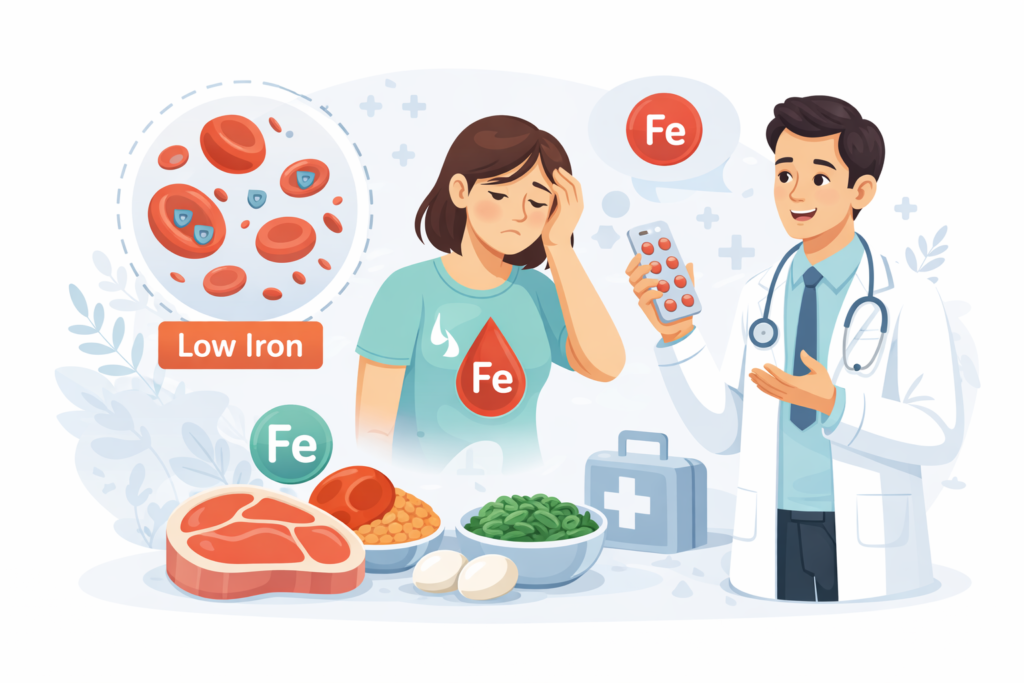
- Nutritional factors, such as low intake or absorption of iron, vitamin B12, or folate
- Blood loss, which can occur gradually or suddenly
- Increased needs, such as during periods of growth or pregnancy
- Chronic health conditions, which may affect how red blood cells are produced or maintained
- Inherited factors, where certain blood conditions run in families
These factors can affect red blood cell production, lifespan, or function. Not everyone with these risk factors will develop anemia, and the presence of anemia does not point to a single cause on its own.
Signs and Symptoms
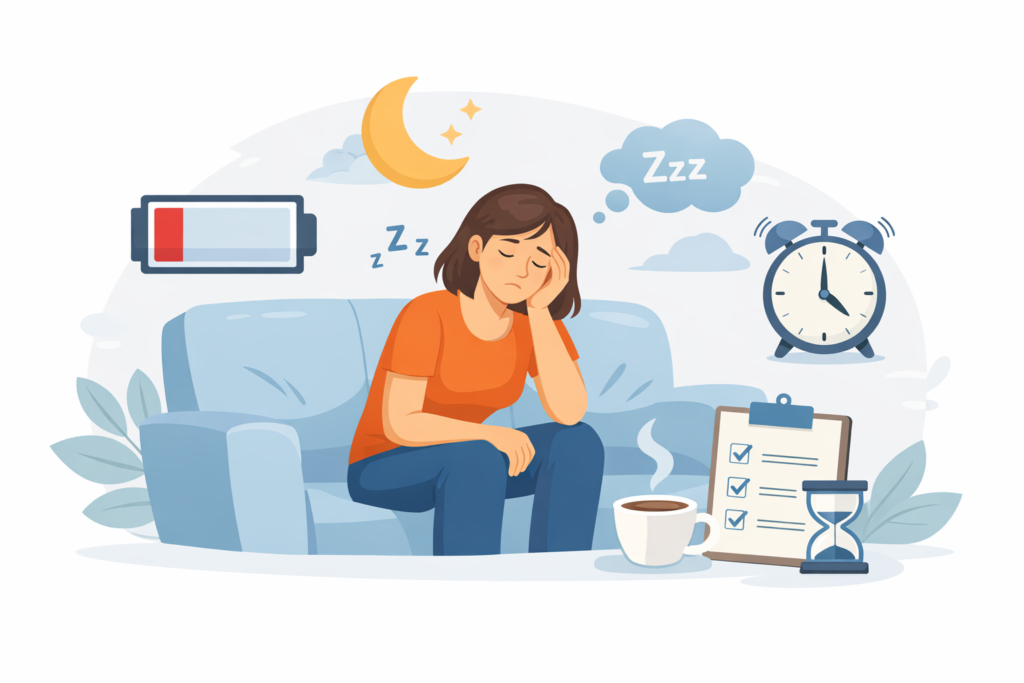
Symptoms of anemia can vary widely from person to person. Some individuals may notice clear changes, while others may have few or no symptoms at all. Commonly reported symptoms may include:
- Ongoing tiredness or low energy
- Weakness or reduced stamina
- Pale skin or mucous membranes
- Shortness of breath during routine activities
- Dizziness or lightheadedness
- Headaches
Symptoms can range from mild to more noticeable and may develop gradually. Because these symptoms can also occur with many other conditions, they are not specific to anemia.
How It Is Identified or Evaluated
Anemia is typically identified through an evaluation by a healthcare professional. This process often begins with a review of symptoms, medical history, and general health. A clinician may consider factors such as diet, family history, and any ongoing health concerns.
Further evaluation may involve laboratory assessments to understand red blood cell levels and related markers. These steps help healthcare professionals determine whether anemia may be present and explore possible contributing factors. This article does not cover specific tests or values, as evaluation should always be guided by qualified medical professionals.
General Management and Care
The general approach to managing anemia depends on its cause and overall health context. Care often focuses on addressing contributing factors rather than symptoms alone.
At a high level, management may involve:
- Medical care, guided by healthcare professionals, to address underlying conditions
- Lifestyle considerations, such as balanced nutrition and adequate rest
- Monitoring and follow-up, especially in ongoing or recurrent cases
Because anemia can have different causes, management strategies vary widely. Individual care plans should always be discussed with a qualified healthcare provider.
Prevention or Risk Reduction
While not all cases of anemia can be prevented, certain general habits may help reduce risk or support overall blood health. These may include:
- Eating a varied, nutrient-rich diet
- Paying attention to long-term fatigue or weakness
- Managing chronic health conditions with professional guidance
- Seeking routine health checkups
Prevention focuses on awareness and early attention rather than guarantees. Even with healthy habits, anemia can still occur in some individuals.
When to See a Healthcare Professional
It may be appropriate to seek medical advice if symptoms such as persistent fatigue, dizziness, shortness of breath, or unexplained weakness interfere with daily life. A healthcare professional can help evaluate symptoms, identify possible causes, and recommend appropriate next steps.
Prompt evaluation is especially important if symptoms are worsening, long-lasting, or occurring alongside other health changes. Calm, early discussions with a professional can support better understanding and care.
Key Takeaways
- Anemia is a health condition where blood lacks enough red blood cells or hemoglobin, affecting oxygen transport.
- Common causes of anemia include nutritional deficiencies, blood loss, increased needs, chronic conditions, and inherited factors.
- Symptoms range from fatigue and weakness to pale skin and shortness of breath; not all individuals experience noticeable symptoms.
- Healthcare professionals identify anemia through symptom review, medical history, and laboratory evaluations.
- Management varies based on causes and may include medical care, lifestyle changes, and regular monitoring; prevention focuses on maintaining a nutrient-rich diet and routine health checkups.
Medical Disclaimer:
The information on this page is provided for educational and informational purposes only and is not intended as medical advice. It should not replace consultation with a qualified healthcare professional. For full details, please read our Disclaimer.