Vertical dieting for home cooks is the nutrition approach that finally makes sense for busy people — not because it is trendy or complicated, but because it does the opposite of complicated. It takes the overwhelming world of healthy eating and strips it down to a small number of highly nutritious, easy-to-digest foods that you rotate, batch cook, and build meals from all week. Less thinking, less shopping, less waste, and significantly more nutritional value from every meal you actually manage to prepare.
Most healthy eating advice assumes you have time, energy, and mental bandwidth that busy people simply do not have. After a long day, the last thing you want is to open the fridge and make fifteen decisions about what to cook. Fortunately, vertical dieting removes most of those decisions entirely — and that is precisely why it works in a real kitchen, for real people, on real weeknights.
This article explains what vertical dieting actually is, which foods form its foundation, how to apply it practically in a home kitchen, and what common mistakes to avoid — so you can get more nutrition from less effort starting this week.
To understand how what you eat connects to inflammation and long-term health, read our guide on Inflammation 101: How to Know if You Have It and What to Eat Next.
What Is Vertical Dieting for Home Cooks?
Vertical dieting for home cooks is based on a nutrition framework developed by Stan Efferding — a powerlifter, coach, and exercise science graduate known for working with elite athletes. The core principle is straightforward: instead of eating a wide variety of foods across many food groups, you build your meals around a small set of highly nutrient-dense, easily digestible foods and scale the quantity up or down based on your energy needs.
The name comes from the shape of the diet on a chart. Picture an upside-down T:
- The wide horizontal base represents a carefully selected group of micronutrient-rich foods — eaten in smaller amounts but carrying a very high nutritional load
- The tall vertical column rising from the centre represents your core energy sources — protein and digestible carbohydrates — which you increase or decrease based on how much energy you need
The philosophy behind it is simple. Your body does not absorb 100% of everything you eat. When you eat foods that are difficult to digest — high-fibre grains, legumes, high-FODMAP vegetables — your digestive system works harder and absorbs less. By contrast, when you focus on foods that digest easily, your body absorbs more of the nutrition from every meal, even when the variety is smaller.
For home cooks, this translates to a much simpler weekly routine — fewer ingredients to buy, faster meals to prepare, and a predictable shopping list that never changes much from week to week.
Why Vertical Dieting for Home Cooks Works So Well in a Busy Kitchen
Most nutrition plans fail busy people not because the science is wrong but because the execution is unrealistic. Vertical dieting for home cooks is built on repetition and simplicity — two things that suit a busy schedule far better than variety and complexity.
It eliminates decision fatigue around food
Decision fatigue is real. By the end of a long day, the mental energy required to decide what to cook, whether you have the ingredients, and how long it will take is often enough to push you toward the easiest option available — which is rarely the most nutritious. However, when your meals rotate around a small set of anchor foods, that daily decision largely disappears. You already know what you are making before you open the fridge.
It makes batch cooking genuinely practical
The core foods in a vertical diet — white rice, potatoes, eggs, red meat, salmon — are among the easiest foods in existence to batch cook. Cook a large pot of rice and a tray of roasted potatoes at the start of the week, hard boil a dozen eggs, and keep a cooked protein in the fridge. As a result, you can assemble a complete, nutritious meal in under ten minutes every evening without any additional thinking.
It reduces food waste significantly
Most household food waste happens because people buy a wide variety of ingredients, use each one partially, and watch the rest expire before they get back to them. In contrast, a shorter, more consistent shopping list means you buy what you use and use what you buy — every week, reliably.
It improves nutrient absorption, not just intake
This is the point most nutrition advice misses entirely. Eating nutritious food and actually absorbing the nutrition from that food are two very different things. By prioritising low-FODMAP, easily digestible foods, vertical dieting helps your gut extract the vitamins, minerals, and protein from what you eat — rather than passing a significant portion through unabsorbed.
The Core Foods in Vertical Dieting for Home Cooks
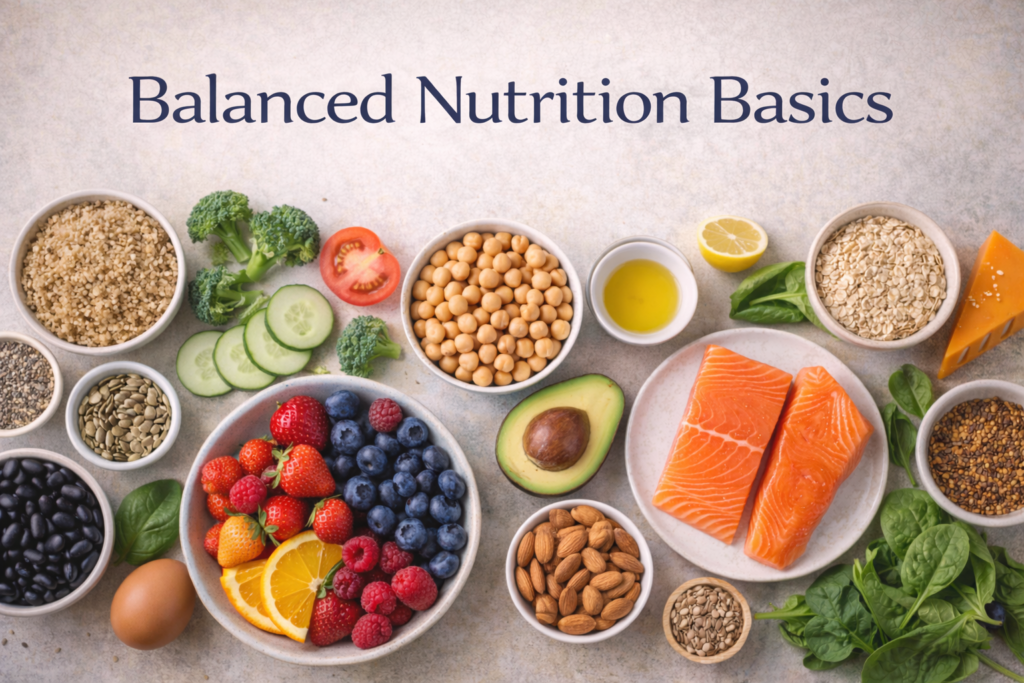
The foods that anchor vertical dieting for home cooks fall into two groups. Your energy staples form the tall column — eaten in larger quantities to fuel your day. Your micronutrient foundations form the wide base — eaten in smaller amounts but carrying a disproportionately high nutritional value.
Energy staples — the foods you eat in larger quantities
1. White rice
White rice is the primary carbohydrate in the vertical diet. It is easy to digest, gentle on the gut, and far less likely to cause bloating or discomfort than brown rice, oats, or legumes. Because it has virtually no fibre, fat, or antinutrients, your body absorbs its carbohydrate content cleanly and efficiently. For home cooks, it is also one of the cheapest and fastest-cooking staple foods available.
2. Potatoes and sweet potatoes
Potatoes are genuinely nutrient-dense in a way that their reputation does not reflect. A medium potato provides potassium, vitamin C, vitamin B6, and magnesium alongside its carbohydrate content. Sweet potatoes add beta-carotene to that profile. Moreover, both are low-FODMAP in moderate portions, filling, versatile, and easy to batch roast at the start of the week.
3. Red meat — beef and lamb
Red meat is the primary protein in the original vertical diet, and for nutritional reasons that are genuinely significant. Beef and lamb provide complete protein, heme iron — the most absorbable form of iron — zinc, B12, creatine, and magnesium in a single food. Notably, heme iron from red meat is absorbed at a rate of 15 to 35 percent, compared to 2 to 20 percent for non-heme iron from plant sources. For home cooks, lean beef mince is the most practical and affordable option — versatile, fast to cook, and available everywhere.
4. Eggs
Eggs are one of the most nutritionally complete foods available. A single large egg provides approximately 6 grams of complete protein, along with choline, B12, vitamin D, selenium, and healthy fats — all in a package that takes three minutes to cook. As a result, they are the ideal vertical diet food for home cooks: inexpensive, fast, endlessly versatile, and requiring almost no preparation.
5. Salmon and oily fish
Salmon provides omega-3 fatty acids — EPA and DHA — that are difficult to obtain from other foods and that support brain health, heart health, and the reduction of systemic inflammation. It is also rich in protein, vitamin D, and B12. Consequently, for home cooks who prefer not to eat red meat daily, salmon is the most nutritionally complete alternative protein source on the vertical diet.
Micronutrient foundations — the foods you eat in smaller amounts
1. Spinach
Cooked spinach is one of the most nutrient-dense foods available per calorie. It provides magnesium, iron, folate, vitamin K, and vitamin A in a very small portion. Furthermore, it wilts down significantly when cooked — a large handful becomes two tablespoons — which makes it easy to add to almost any meal without changing the flavour significantly.
2. Carrots and bell peppers
Both are low-FODMAP and provide beta-carotene, vitamin C, and antioxidants without causing digestive discomfort. Raw carrots make an easy snack, while bell peppers add colour, flavour, and nutrition to stir-fries and rice dishes without adding complexity.
3. Berries
Blueberries, strawberries, and raspberries provide antioxidants, vitamin C, and manganese without the digestive load of high-fibre fruits. They are easy to eat as a snack or add to yoghurt and are among the lowest-sugar fruit options available.
4. Full-fat dairy — yoghurt and whole milk
Full-fat yoghurt provides protein, calcium, vitamin D, and beneficial bacteria for gut health. Similarly, whole milk provides the same nutritional profile in liquid form. Both are low-lactose in typical portions and easy to incorporate into a daily routine without any preparation.
5. Bone broth
Chicken or beef bone broth supports gut lining integrity, provides electrolytes including sodium and potassium, and adds significant flavour to rice and soups. In particular, cooking your rice in bone broth instead of water is one of the simplest nutritional upgrades available — it takes no extra time and noticeably improves the nutritional profile of the meal.
How to Apply Vertical Dieting for Home Cooks Day to Day
Understanding the theory is straightforward. However, making vertical dieting for home cooks work in a real kitchen requires a few practical systems.
Step 1 — Build two or three anchor meals
Anchor meals are the meals you are happy to eat regularly throughout the week. They form the backbone of your vertical diet without requiring daily decision-making. Three examples that work well for home cooks:
- Beef and rice bowl — lean beef mince cooked with bell peppers and spinach, served over white rice cooked in bone broth. Ready in 15 minutes and nutritionally complete.
- Salmon and sweet potato — baked salmon fillet with roasted sweet potato wedges and steamed carrots. Can be prepared in 25 minutes with minimal active cooking time.
- Egg scramble with rice — three scrambled eggs with cooked spinach and white rice. Ready in under ten minutes and ideal for a quick weeknight option or weekend breakfast.
You do not need more than three anchor meals to start. Rotate them across the week and add variety only when you want to — not because you feel you have to.
Step 2 — Batch cook your staples once a week
Spend 45 minutes on a Sunday or Monday preparing the following:
- a large pot of white rice — enough for four to five meals
- a tray of roasted sweet potatoes or potatoes — ready to reheat in seconds
- six to eight hard-boiled eggs — kept in the fridge for quick protein at any meal
- one cooked protein — a batch of beef mince or a couple of salmon fillets
With these four things prepared, assembling a complete nutritious meal on any evening takes under ten minutes. Simply add a handful of spinach and a portion of carrots or bell peppers and the meal is done.
Step 3 — Keep your shopping list short and consistent
The power of vertical dieting for home cooks lies in repetition. A typical weekly shop for this approach covers:
- white rice or potatoes and sweet potatoes
- eggs — at least a dozen
- lean beef mince and salmon fillets — or chicken thighs as an alternative
- fresh spinach, carrots, and bell peppers
- full-fat yoghurt and whole milk
- berries — fresh or frozen
- chicken or beef bone broth
- olive oil, salt, and basic seasoning
This list covers your full nutritional needs across the week. Most items are inexpensive, available in any supermarket, and have a reasonable shelf life — which reduces waste further.
Step 4 — Scale portions to your energy needs
The vertical part of the diet means scaling upward when you need more energy. On an active day, add more rice or an extra egg. On a quieter day, however, reduce the carbohydrate portion but keep the protein and vegetables consistent. Rather than tracking every calorie, you are adjusting one variable based on genuine hunger and energy levels — which is far more sustainable long-term than precise calorie counting.
Step 5 — Use cooking methods that preserve nutrients
How you cook these foods matters significantly for their nutritional value:
- Steam or lightly sauté vegetables rather than boiling at high heat — boiling leaches water-soluble vitamins including vitamin C and B vitamins into the cooking water
- Cook eggs gently — scrambled or poached rather than hard-fried — to protect the fat-soluble vitamins in the yolk from heat damage
- Cook rice in bone broth rather than plain water — this adds electrolytes, collagen, and flavour with zero extra effort
- Avoid overheating olive oil — use it for light sautéing rather than high-heat frying to preserve its anti-inflammatory compounds
What Vertical Dieting for Home Cooks Is Not
Several misunderstandings about the vertical diet lead people to apply it incorrectly. These are worth addressing directly.
It is not about extreme restriction
The original vertical diet was designed for professional athletes and powerlifters consuming enormous calorie volumes. The restriction required at that level is not necessary or appropriate for a home cook eating normal portions. Instead, the principle for everyday use is simplification, not deprivation. You can include moderate variety in your vegetables and still benefit significantly from the approach.
It is not a red meat-only diet
Salmon, eggs, chicken thighs, and full-fat dairy are all valid protein sources within the vertical diet framework. Red meat is emphasised because of its exceptional micronutrient density — particularly heme iron, zinc, and B12 — but it does not need to appear at every meal. A home cook who rotates beef mince, salmon, and eggs across the week is applying the framework well.
It is not suitable as written for vegetarians or vegans
The framework depends significantly on animal protein for its micronutrient density. Although a plant-based version is possible, it requires more deliberate planning to ensure adequate complete protein, B12, heme iron, and zinc. If you follow a plant-based diet, speak with a registered dietitian before applying the vertical diet principles.
The foods alone are not enough — the system is what makes it work
Many people try to apply the vertical diet by simply buying white rice and beef mince without the batch cooking system or anchor meal structure. The foods alone do not produce the benefit — the system does. Therefore, the weekly prep, the consistent shopping list, and the anchor meals working together are what make the approach sustainable for a busy person.
Who Benefits Most from Vertical Dieting for Home Cooks
Vertical dieting for home cooks is particularly well suited to:
- busy people who want to eat nutritiously but find complex meal planning unsustainable
- people with sensitive digestion — IBS, bloating, or discomfort from high-fibre or high-variety diets — who need a simpler, lower-irritant approach to eating well
- anyone who wastes significant food each week because they buy too many ingredients
- people who want to improve body composition — building muscle or losing fat — without obsessive calorie tracking
- families who want a reliable, nutritious weeknight dinner rotation without constant meal planning
It is less well suited to people who strongly prefer significant dietary variety for enjoyment, those following vegetarian or vegan diets, or people with specific medical dietary requirements that conflict with its food list.
For more on how your gut health connects to what and how you eat, read our article on The Truth About Artificial Sweeteners: Gut Health and Cravings.
When to Speak to a Professional About Your Diet
Speak with your GP or a registered dietitian before starting vertical dieting if:
- you have a diagnosed condition such as type 2 diabetes, kidney disease, or cardiovascular disease that requires specific dietary management
- you have a family history of colorectal cancer — high red meat intake is associated with increased risk and your doctor may recommend limiting it
- you are pregnant or breastfeeding and need guidance on nutritional adequacy
- you experience new or worsening digestive symptoms when changing your diet
- you follow a vegetarian or vegan diet and want to adapt the principles appropriately
The NHS Eat Well guide provides evidence-based guidance on balanced nutrition that complements and contextualises any specific dietary approach, including vertical dieting principles.
Key Takeaways
- Vertical dieting for home cooks builds meals around a small set of highly nutrient-dense, easily digestible foods — reducing decision fatigue, speeding up meal prep, and improving how much nutrition your body actually absorbs.
- The core energy staples are white rice, potatoes, sweet potatoes, red meat, eggs, and salmon. The micronutrient foundations are spinach, carrots, bell peppers, berries, full-fat dairy, and bone broth.
- Batch cooking staples — rice, roasted potatoes, hard-boiled eggs, and a cooked protein — once a week makes a complete nutritious meal achievable in under ten minutes on any evening.
- The key is building two or three anchor meals and rotating them consistently — repetition is the mechanism that makes the approach work for busy people.
- Cook rice in bone broth, steam rather than boil vegetables, and cook eggs gently to preserve maximum nutritional value from your core foods.
- The vertical diet as designed for professional athletes involves extreme restriction that is not necessary for home cooks — the principle is simplification, not deprivation.
- Speak with your GP or a dietitian before starting if you have existing health conditions, a family history of colorectal cancer, or follow a plant-based diet.
Final Thoughts
The real barrier to eating well for most busy people is not knowledge — it is friction. Too many decisions, too many ingredients, and too much time required. Vertical dieting for home cooks reduces that friction to almost nothing by replacing daily food decisions with a simple, repeatable system built around a small number of genuinely excellent foods.
You do not need to eat perfectly at every meal. What you need is a system that makes a good meal the path of least resistance on a Tuesday evening when you are tired, the fridge looks uncertain, and the easiest option is usually the worst one. That is precisely what this approach gives you.
Start with the shopping list this week. Build your first anchor meal. Cook your rice on Sunday. The rest follows naturally — and so does better nutrition.
Medical Disclaimer: The information on this page is provided for educational and informational purposes only and is not intended as medical advice. It should not replace consultation with a qualified healthcare professional. For full details, please read our Disclaimer.